
Trope Variations is a music performance project that uses an ancient system of musical notation as the basis for live vocal improvisation. A set of thirty graphic marks, each representing a different melody, provide the creative prompts for performance. Inspired by Brian Eno’s “Oblique Strategies” and John Cage’s use of the I Ching to introduce chance operations into music, Trope Variations are never performed the same way twice. The melodic motifs are the building blocks of a performance, rearranged, sequenced, and reinterpreted in new ways every time it’s performed.
The graphic notation system, known as cantillation or trope, has been used for centuries as a guide to chanting the Hebrew bible. When a graphic mark appears underneath a word or phrase within the biblical text, it indicates to the reader/listener its meaning, intention, and musical expression (melody, rhythm, phrasing). Extracting these graphics and melodies from their original function brings the vocabulary into a new context, eliciting the past but through a personal, contemporary reinterpretation.
The result is a distinctive approach to structured improvisation, where both vocal samples and live vocalizations are layered and processed to create lush, ambient soundscapes. Situated between extended-duration sound performances, loop-based minimalism, and immersive sound baths, Trope Variations is an exploration in redefining how the sacred or sublime might sound.
Visual Prompts / Graphic Score
Each of the thirty melodic motifs are painted directly onto an album cover to provide a graphic score for the vocal performance (see examples below). Each album includes the graphic mark found in the biblical text (painted in the upper left corner of each album), along with a vertical and horizontal arrangement of colored shapes placed within a 12-step grid to indicate the melodic direction and vocal expression.
The album covers are all sourced from early 20th century religious music, featuring portraits of cantors, spiritual leaders responsible for singing prayers during synagogue services. The physical objects and photographic portraits serve as a (sub)text for the performance, placing the live improvisations within a longer lineage of voices.
(Click images below to enlarge)
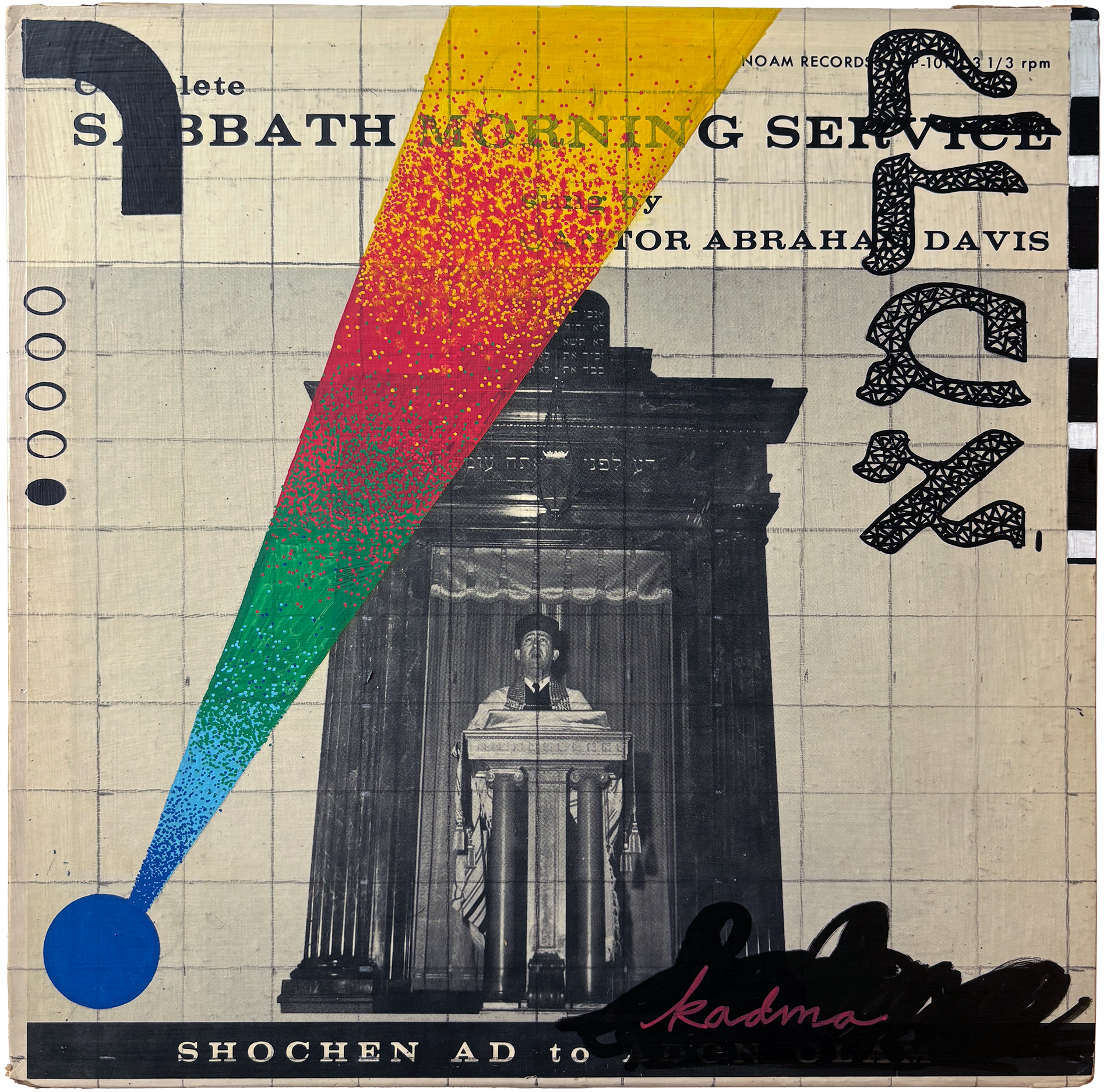
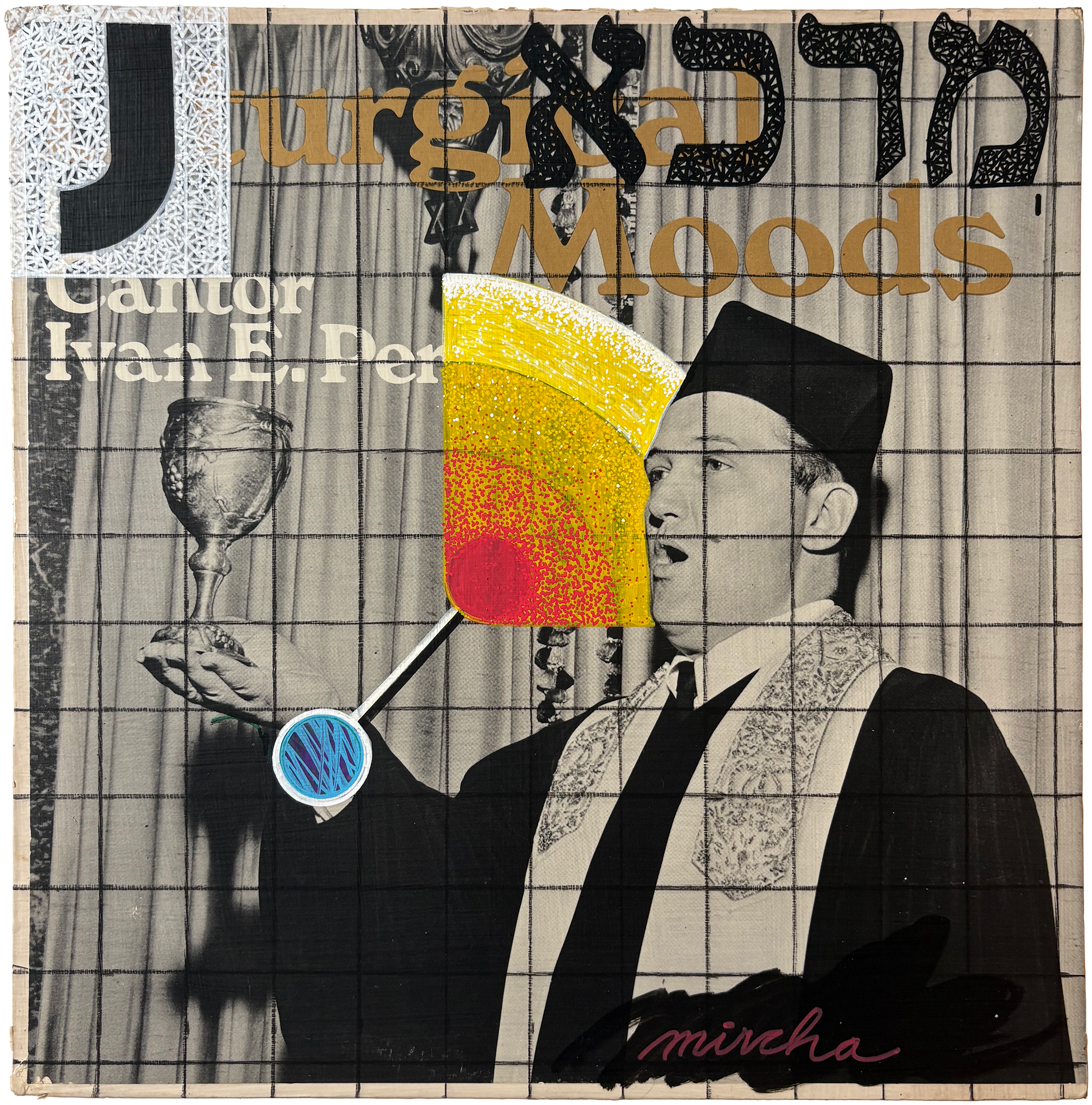

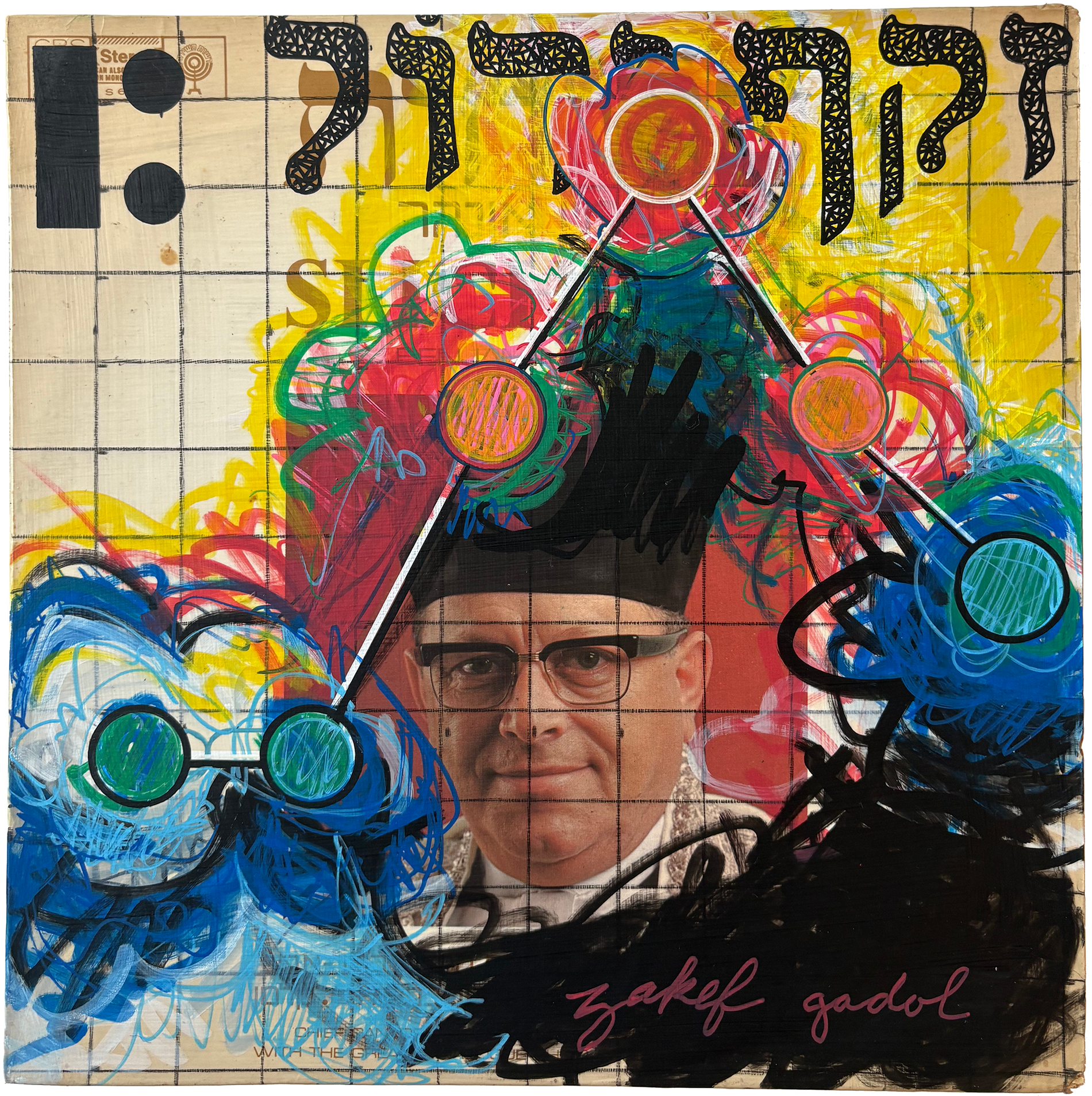
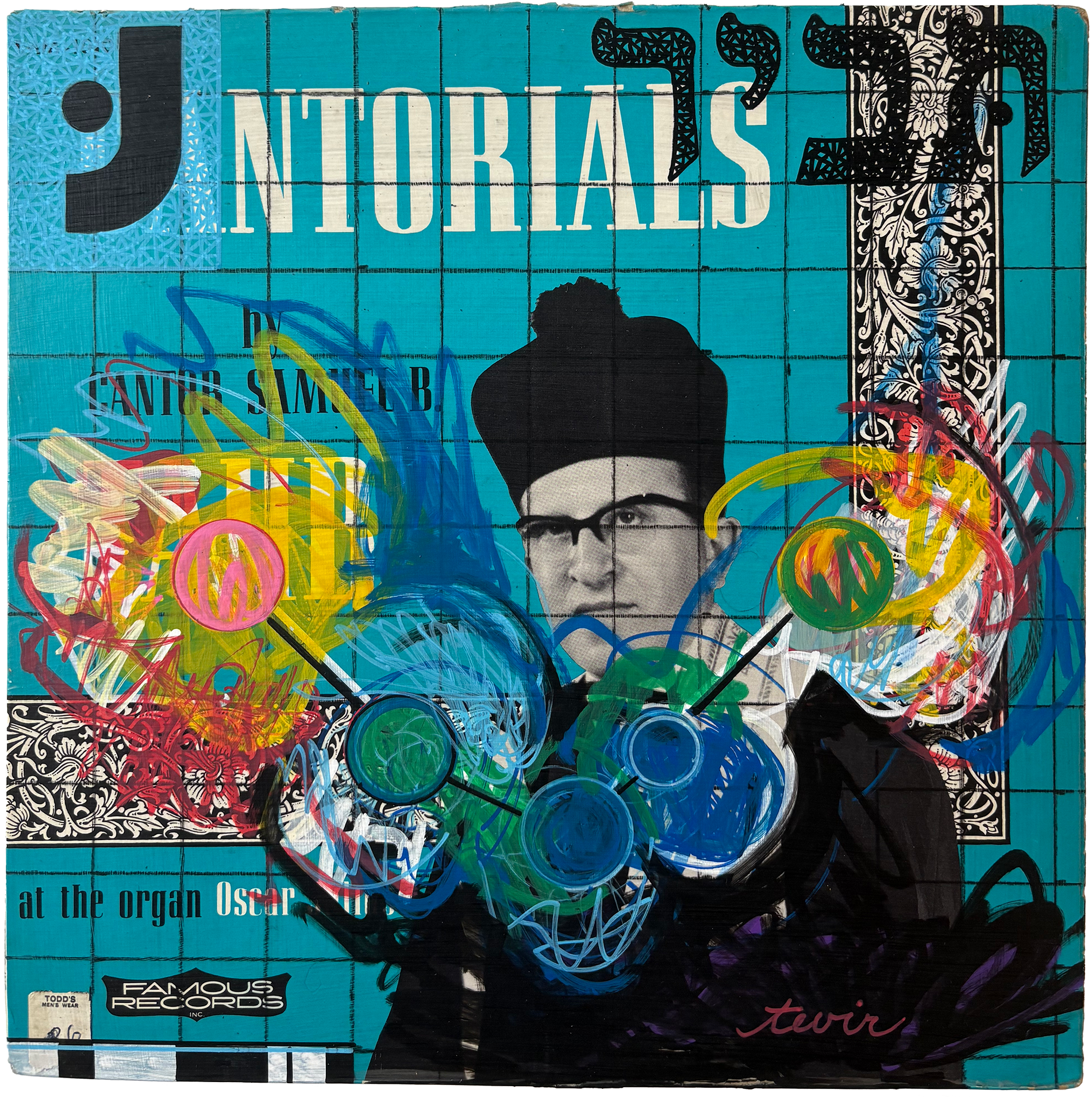
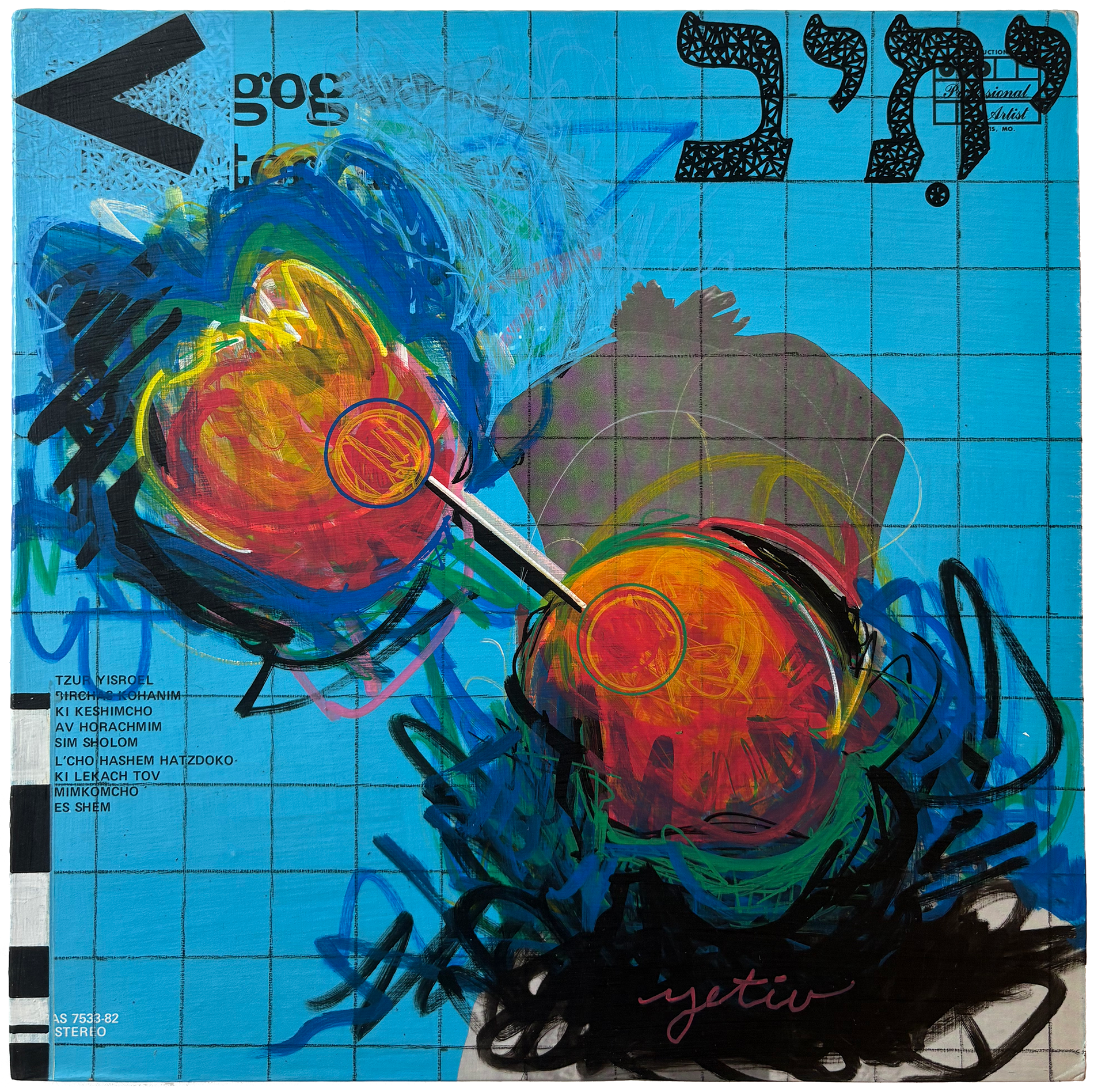
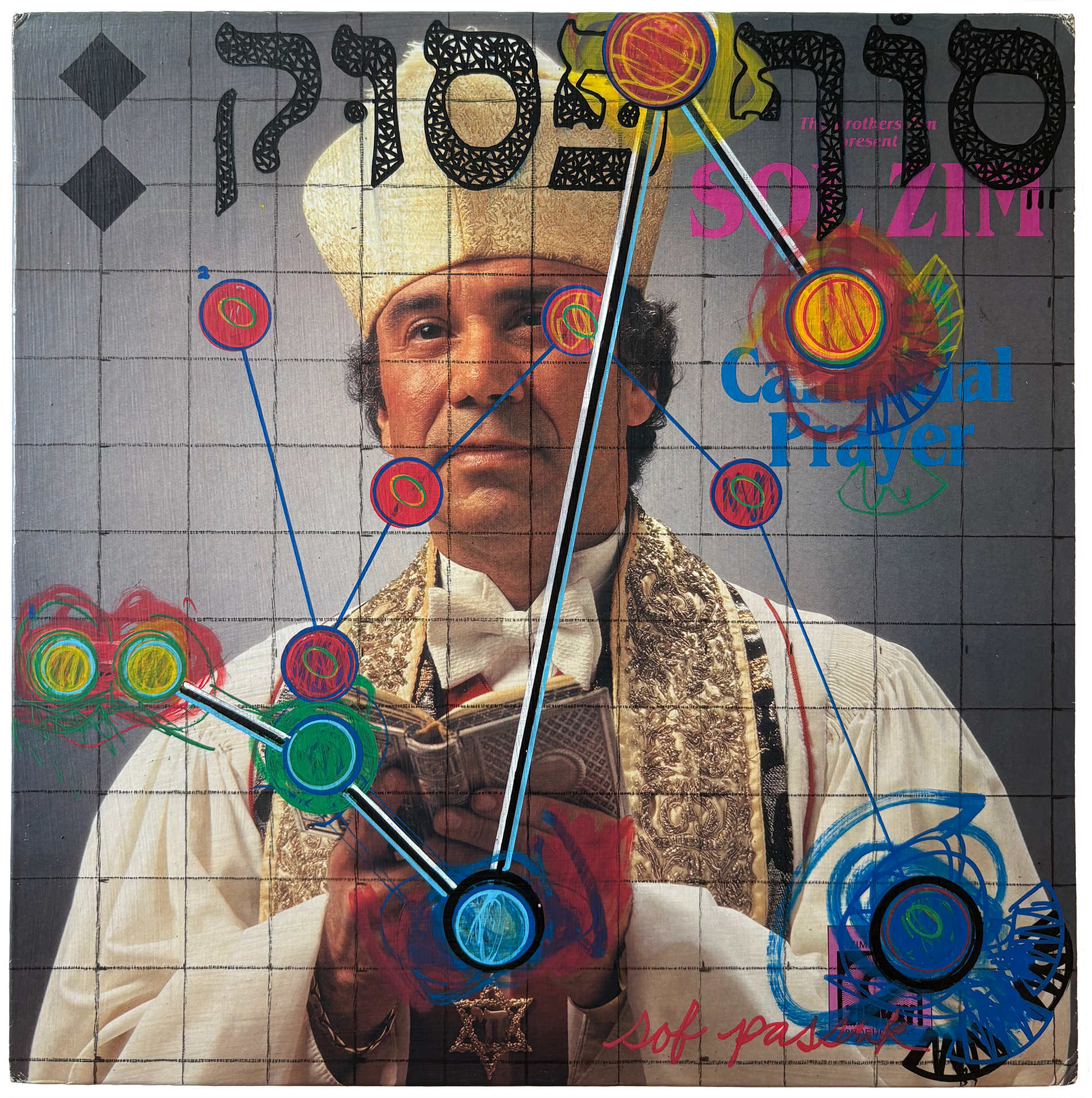
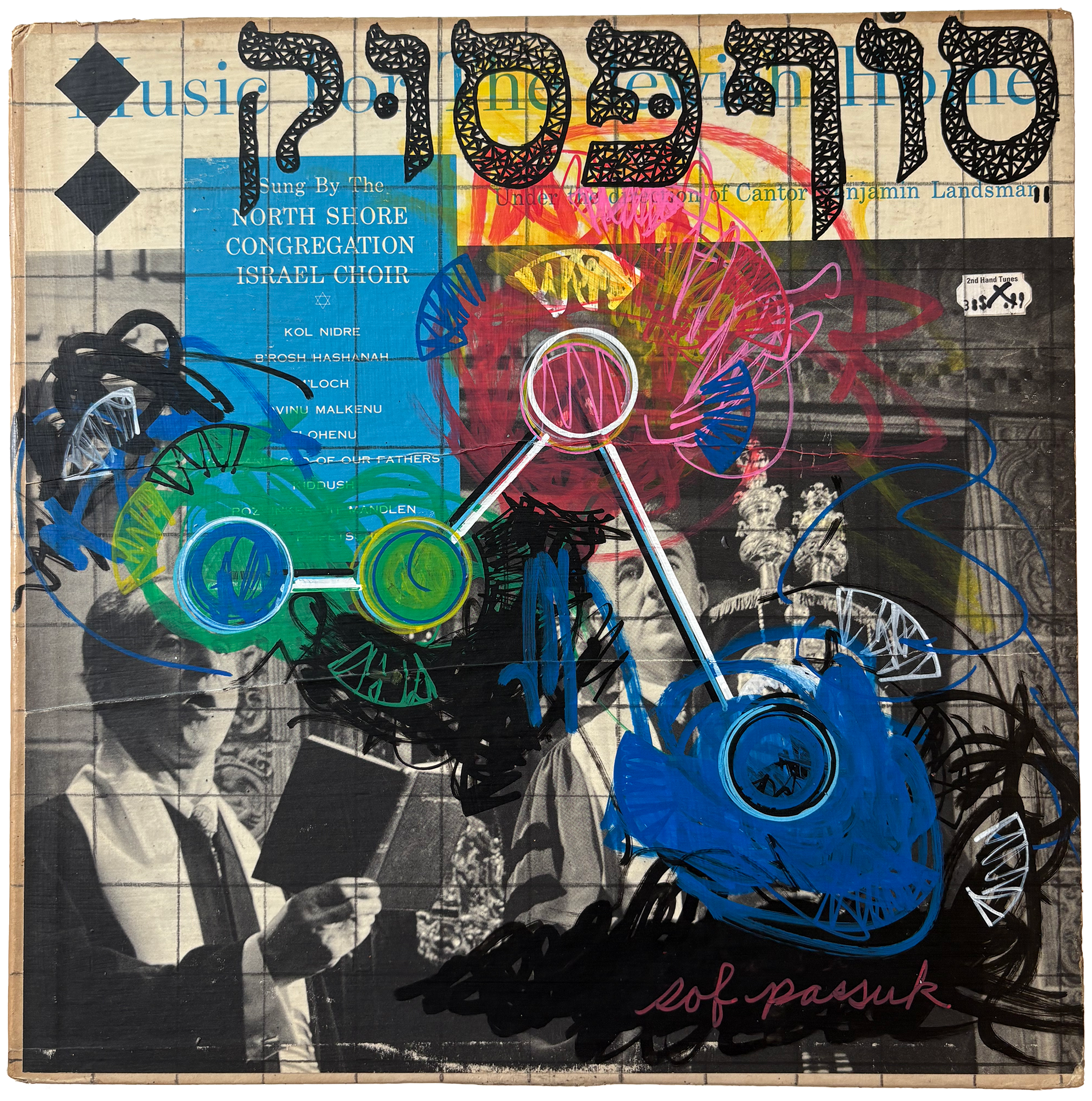
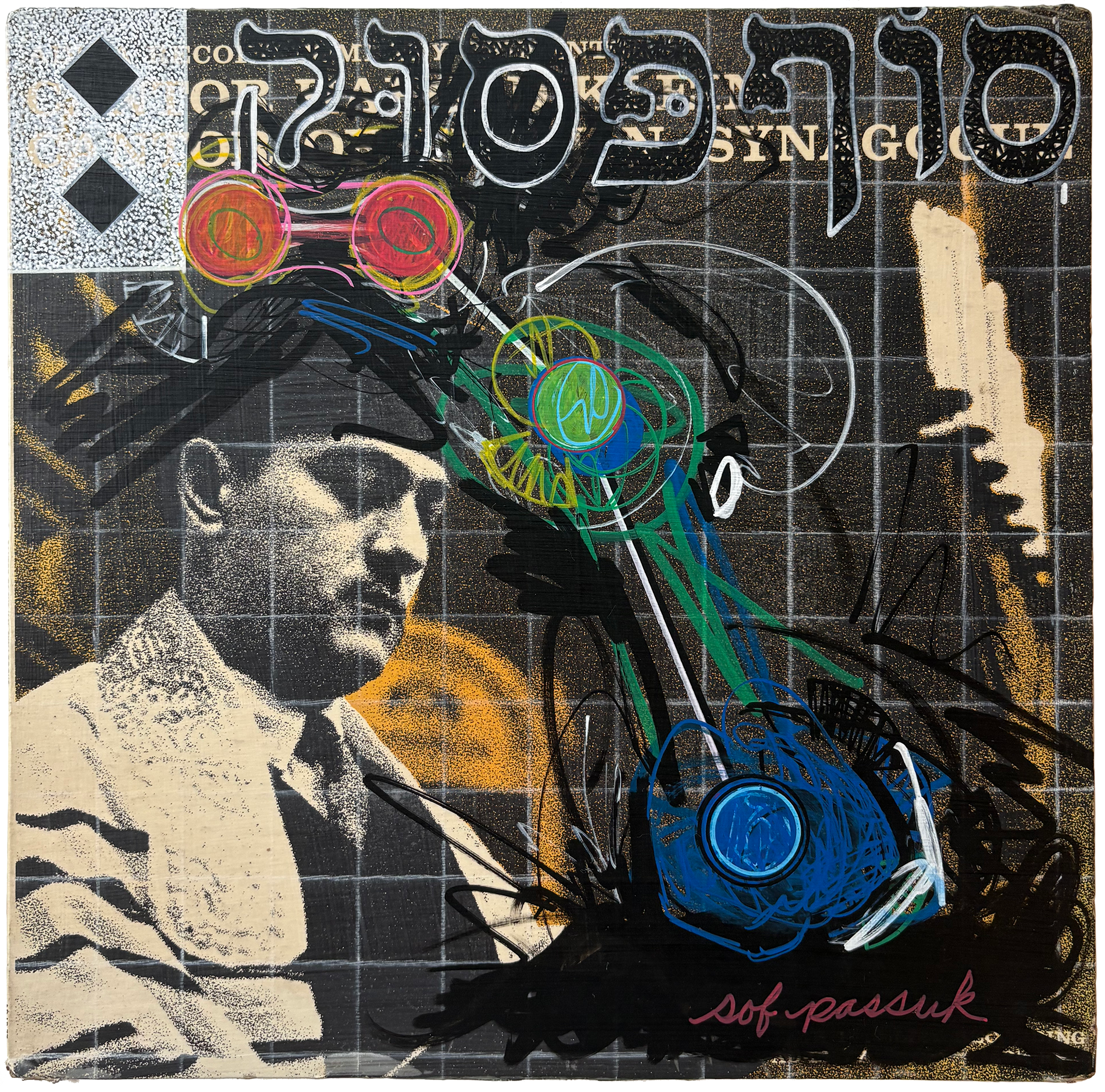

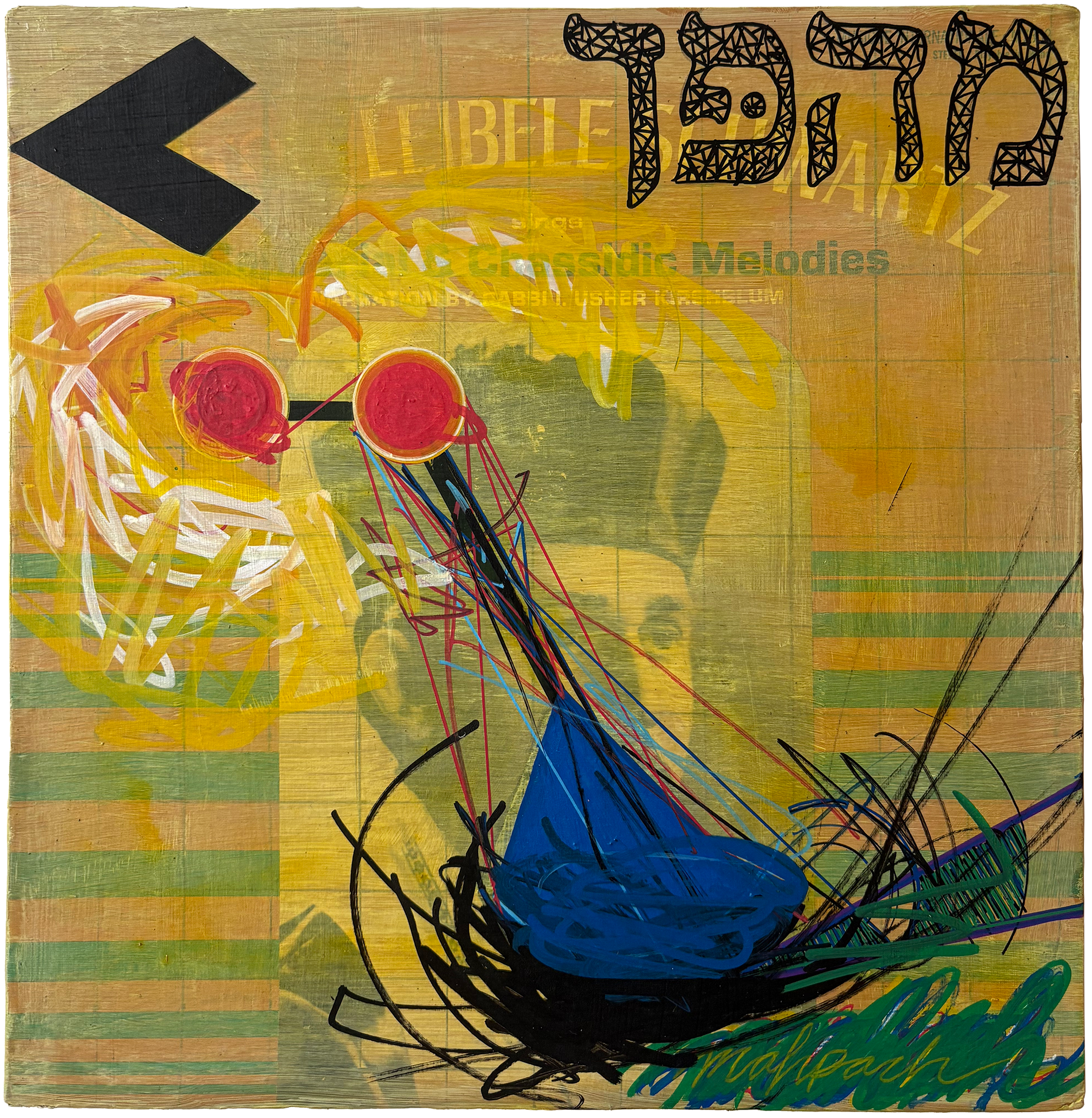
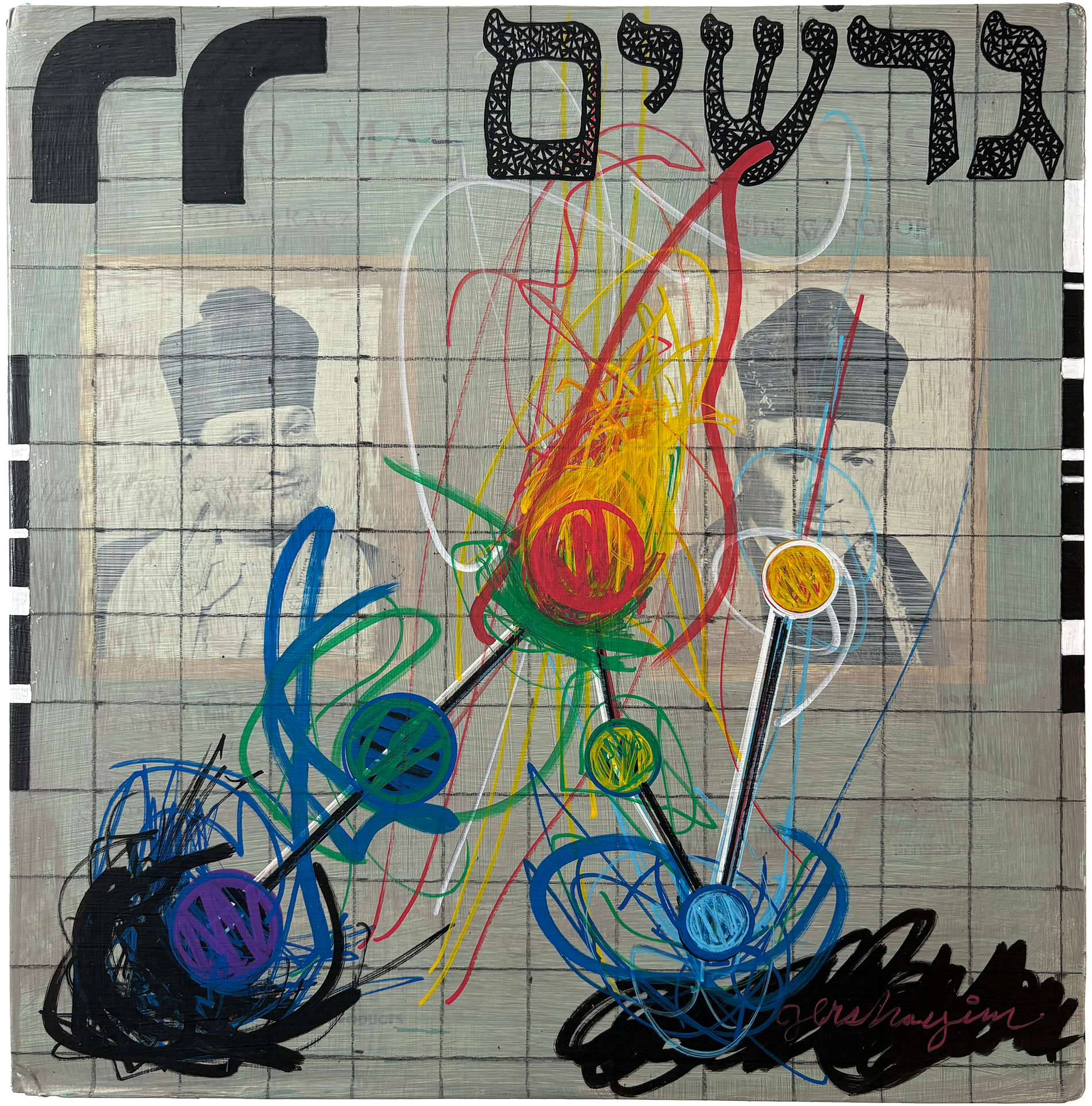
Image Tracking / Audio Sequencing
Working with creative technologist Jeff Crouse of See-through Lab, an image-based audio sequencer was built for playing and arranging audio recordings in real-time. Using image tracking technology, each of the albums functions as an image trigger like a QR code. When the smartphone camera recognizes an image, it triggers an audio recording of the melody to begin playing and looping continuously. As more albums are added to the camera view, the melody becomes more complex and layered. The horizontal placement of albums works like a step sequencer moving left to right, while the vertical arrangement enables two different melodic patterns to be interwoven in ever-changing, unexpected ways.
(View video demonstration below)
Live Improvisation
The melodic patterns from the visual audio sequencer are then fed into a chain of audio effects pedals to be shaped and sculpted into spacious textures. This ambient sonic bed provides the foundation for live vocal improvisation, responding to the soundscape, adding vocal layers and building dynamics over time to create an immersive and meditative listening experience for audiences.
The performances are designed for listening rooms, media art galleries, meditation/yoga studios, and environments that encourage deep listening and longer-form sound experiences. Extended improvisations are also recorded in the studio and edited for online listening, such as the example presented below. Streaming releases forthcoming.
(Click below to listen)
Trope Variations was developed through support from a Ruth Arts Mary L. Nohl Alumni Award